How to Master 7 Seater Car Under 8 Lakh Step by Step
As an Amazon Associate we earn from qualifying purchases. Guides are for general information; always check your owner's manual and consult a qualified mechanic when unsure.
Finding a 7 seater car under 8 lakh takes work. Most buyers want space, safety, and low running costs. A tight budget adds real limits. You must pick smart. This guide helps you sort through the noise. We focus on real-world fit, not just ads. A 7 seater car under 8 lakh can still serve a big family well.
You need to weigh space against cost. A cheap car may save cash upfront. But it could cost more later. Bad resale, high repair bills, and tight seats hurt. We look at what really matters. That means third-row room, engine choice, and parts access. A 7 seater car under 8 lakh can work if you know the trade-offs. Always follow official safety and maintenance guidelines for best results.
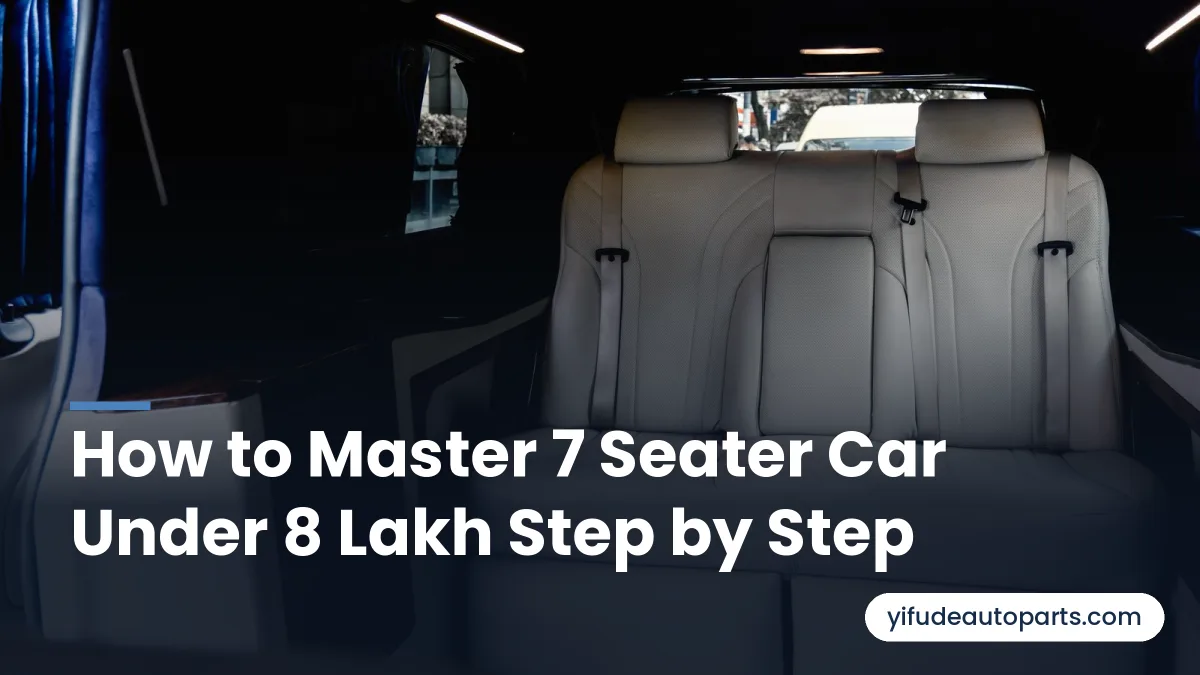
Always sit in the back seat yourself. Bring your family. Test the third row with full-sized adults. Many cars look fine in photos. But real bodies reveal real limits. Check headroom, legroom, and AC vents back there.
7 Seater Car Under 8 Lakh: How to Choose the Right One for Your Family
Start with your daily use. How many people ride daily? Do you need all seven seats often? If you carry five most days, a 6 seater might work. But if you need seven regularly, look closely at the third row. A 7 seater car under 8 lakh should not force anyone into a cramped, unsafe spot.
Next, check the engine and gearbox. Petrol suits short city trips. Diesel fits long highway drives. But diesel costs more upfront. Petrol models are often simpler to fix. Your driving style shapes which 7 seater car under 8 lakh fits best. For complementary picks and expert testing advice, see our guide on How to Master 6 Seater Car Under 10 Lakh Step by Step.
- Daily Riders: Count how many seats you use every day.
- Engine Match: Pick petrol for city, diesel for highway miles.
- Budget Split: Reserve funds for RTO, insurance, and first service.
- Test Ride: Drive the car fully loaded with all seats up.
Head-To-Head Comparison of the Top 7 Seater Contenders Below 8 Lakh
Several models compete in this slot. The Maruti Suzuki Ertiga leads with low running costs. The Kia Carens offers a modern feel and strong resale. The Mahindra XUV700 brings a bold design and solid kit. Each 7 seater car under 8 lakh has its own trade-off. Weigh space, engine choice, and brand service reach.
The Tata Safari stands out for its rugged look. It shares its platform with the Harrier. The Toyota Innova Crysta costs more but holds value. The Renault Triber is a compact option. It fits seven, but the third row suits kids. A 7 seater car under 8 lakh can still offer real comfort.
Hidden Ownership Costs That Blow the 8 Lakh Budget
The sticker price is not the full story. RTO charges add lakhs to your cost. Insurance premiums rise with engine size. A diesel car may cost less fuel per km. But service bills and parts cost more. A 7 seater car under 8 lakh can push past 9 lakh fast if you ignore these hidden costs.
Spare parts access matters a lot. Maruti and Kia have wide service networks. Mahindra and Tata parts cost less than Toyota. Diesel particulate filters and DPFs add repair risk. Low ARAI mileage figures often mislead real drivers. City traffic drops real mileage by 30 to 40 percent. A 7 seater car under 8 lakh needs smart cost planning.
- RTO + Insurance: Add 10 to 15 percent to ex-showroom price.
- Service Intervals: Shorter gaps mean more downtime and cost.
- Parts Markup: Luxury or imported parts raise repair bills.
- Resale Drop: Diesels lose value faster as norms tighten.
Space and Comfort Reality Check: Third-Row Seats in Compact 7 Seaters
Most compact 7 seaters shrink the third row. It works for kids or short trips. Tall adults will struggle with legroom and headroom. You cannot fit three full-sized adults in the back row of most sub-8 lakh models. The Ertiga and Triber make this trade-off clearly. The Kia Carens and XUV700 offer more room. But even they are tight compared to larger SUVs.
Check the AC vents in the third row. Many cars skip rear AC ducts entirely. That makes rear seats hot in summer. ISOFIX anchors matter if you use child seats. A 7 seater car under 8 lakh must balance seat count with real usability. Test all rows before you buy.
- Legroom Check: Measure knee gap with front seats at normal position.
- AC Vents: Confirm cool air reaches the third row.
- ISOFIX Points: Look for child seat anchors on the rear bench.
- Ground Clearance: Higher clearance helps on broken rural roads.
Powertrain and Efficiency Trade-Offs for Daily Family Commutes
You want a 7 seater car under 8 lakh that sips fuel. But power matters too. Families need smooth highway pulls. A weak engine causes traffic stress. Picking the right motor changes everything.
Most cars here use a 1.5L petrol or diesel. Petrol engines feel peppy. They suit city stops and go. Diesel pulls better with heavy loads. It wins on long road trips.
- 1.5L Petrol: Good for city runs. Smooth and quiet. Fits short daily drives.
- 1.5L Diesel: Strong torque. Better ARAI mileage. Great for highway commutes.
- 6-Speed Manual: Full control. Engaging drives. Lower cost than automatics.
- AMT Option: Easy city traffic use. Less fatigue than manual gears.
- Fuel Cost Math: Diesel saves money over time. Petrol needs more frequent fill-ups.
AMT units shift with slight delay. You feel a small jerk at low speeds. Manual gearboxes cost less to fix. They also use fewer parts. That helps your repair budget.
Diesel cars cost more upfront. But they return the gap later. Your yearly running costs drop. Check service interval details too. Some brands need frequent oil changes.
Long-Term Ownership Verdict: Which 7 Seater Holds Value and Reliability Best
A 7 seater car under 8 lakh is a big spend. You want it to last. Resale value shows true worth. Maruti Suzuki leads here. Toyota follows close behind.
Brands with wide service networks win. Parts stay cheap and easy to find. Cars with fewer complex parts break less. Simple diesel engines age well. They outlast many turbo petrol units.
- Maruti Suzuki Ertiga: Best resale in segment. Huge dealer network. Low repair bills.
- Toyota Innova Crysta: Strong trust record. Diesel engine lasts long. Holds value sharply.
- Mahindra XUV700: Bold features. Good build quality. Service costs rise after warranty.
- Tata Safari: Solid safety score. Modern tech inside. Newer brand trust builds slowly.
- Kia Carens: Stylish design. Good warranty. Parts cost more than Maruti or Toyota.
High mileage owners should pick diesel. Low km yearly drivers suit petrol. City cars face more wear. Stop-start traffic hurts clutches and brakes. Highway runners face less stress on parts.
Budget for a full service check at 50,000 km. Suspension parts wear out by then. Tyres need spare around 40,000 km. Brake discs thin out fast. These costs hit your wallet hard.
Pick a brand with local service hubs. A distant service center adds travel stress. Roadside help matters too. A flat tire far from home ruins plans. Choose brands with strong local support.
Practical Methods for 7 Seater Car Under 8 Lakh: Negotiation and Buying Tips
You can save big with smart talks. Dealers expect some haggling. Walk in with a clear mind. Know the ex-showroom price first. Check on-road quotes from two dealers.
Ask for bundled freebies. Floor mats and seat covers cost little. Extended warranty adds real value. Some dealers throw in free service. Others give cash-backs or loyalty schemes.
- Ex-Showroom Check: Check the base price. Ask for a printed quote.
- RTO Charges: Dealers often add profit here. Check your state RTO fee table.
- Insurance Comparison: Get own-damage quotes online. Zero-depreciation add-ons cost extra but help.
- Trade-In Value: Old car value varies. Get three independent assessments first.
- End-of-Month Visit: Sales staff hit targets then. You gain better deals.
Do not rush the paperwork. Read every line in the sale deed. Check the registration number matches the car. Check the chassis number on the dash. A wrong number causes legal headaches later.
Finance options need careful study. Some loans carry hidden processing fees. Compare the strong interest rate. Shorter loan terms save you money. A longer term lowers monthly pay. But total interest paid rises fast.
Quick Specs: 7 Seater Contenders at a Glance
Common Questions About a 7 Seater Car Under 8 Lakh
Can a 7 Seater Car Under 8 Lakh Handle Long Road Trips Comfortably?
Yes, but comfort varies by model. Diesel engines work best for highway miles. They offer strong pull and better fuel range. Check the third-row AC vents too. Hot seats ruin long journeys fast.
Which Fuel Type Saves More Money Over Five Years?
- Diesel Wins: Diesel wins for high-mileage drivers.
- It Gives 20: It gives 20 to 25 percent better mileage.
- But Diesel Cars: But diesel cars cost more upfront.
- Petrol Suits Low-Kilometre: Petrol suits low-kilometre city use.
- Your Annual Running: Your annual running cost decides the winner.
Is a Manual Gearbox Better Than Amt in This Price Range?
Manual gearboxes cost less to repair. They also give you full control. AMT feels jerky in heavy traffic. But it suits drivers who want ease. Pick based on your daily drive type.
How Much Should I Spend on Rto and Insurance?
RTO charges run 5 to 8 percent of ex-showroom price. Insurance adds 3 to 5 percent more. A zero-depreciation cover costs extra. It helps a lot in the first two years. Get quotes before you sign the deal.
What Resale Value Can I Expect From a 7 Seater Car Under 8 Lakh After Three Years?
Maruti and Toyota models hold value best. They lose about 35 to 40 percent in three years. Tata and Mahindra drop a bit faster. Kia and Citroen fall further still. Low km cars always fetch better resale offers. For complementary picks and expert testing advice, see our guide on How to Master 5 Seater Car Under 5 Lakh Step by Step.
Real-World Ownership Costs by Brand for a 7 Seater Car Under 8 Lakh
Running costs vary a lot between brands. A small difference in service pricing adds up fast. You need to see the full picture. This helps you plan your yearly budget.
Maruti Suzuki leads with low part costs. A basic service visit stays low-cost. Their wide dealer network cuts travel time. Kia parts cost more than Maruti or Tata. Genuine parts add to each bill. Toyota parts are pricier but last long.
Service intervals also shape your costs. Some brands need a visit every 10,000 km. Others push the limit to 15,000 km. Shorter gaps mean more frequent bills. But they also keep the engine cleaner.
- Maruti Suzuki: Low-cost parts. Simple engine fixes. Cheapest long-term upkeep.
- Toyota: Strong trust. Higher part costs. Excellent long engine life.
- Mahindra: Fair service pricing. Robust diesel engines. Good local support.
- Tata: Competitive parts cost. Modern diesel tech. Growing service reach.
- Kia: Stylish builds. Slightly higher service fees. Generous warranty helps.
Insurance costs also shift by brand. Larger engines attract higher premiums. A 1.5L diesel costs more to insure. A 1.5L petrol stays cheaper. Add-on covers raise the price further.
Ask your insurer about zero-depreciation. It covers full repair costs. It avoids deduction on parts. This add-on shines in the first two years. It saves you from surprise bills.
Financing a 7 Seater Car Under 8 Lakh Without Stretching Too Thin
Most buyers need a loan for this price. A smart loan plan saves you money. A bad plan creates stress for years.
Check your credit score first. A score above 750 gets better rates. Lower scores mean higher interest. Clean up errors on your report. Pay off old small debts if you can.
Compare loan offers from banks and NBFCs. Dealers often push their own finance desk. Their rates may not be the best. Always ask for the strong interest rate. This rate includes all hidden fees.
- Loan Tenure: Pick 3 to 5 years. Longer terms lower EMIs.
- Total Interest: Shorter loans cost less overall.
- Prepayment Penalty: Check for early payoff fees.
- Down Payment: Pay 20 percent or more upfront.
- Processing Fees: Negotiate these charges with the bank.
A larger down payment reduces your loan size. It also lowers your monthly burden. You avoid being underwater on the loan. This protects your monthly home budget.
Do not stretch the EMI too far. A safe EMI is under 15 percent of your take-home pay. Keep a buffer for unexpected costs. Car ownership has many small expenses. Fuel, tolls, and parking add up fast.
Step-By-Step Test Drive Routine for a 7 Seater Car Under 8 Lakh
A test drive is your best tool. It reveals real-world issues ads hide. Follow a strict routine each time. This ensures you do not miss anything.
Start the engine and let it idle. Listen for strange knocks or ticks. A smooth idle means a healthy engine. Listen to the air conditioning too. Set it to max and check all vents.
Drive on a bumpy road if possible. Feel every seam and joint. A well-built car stays quiet. Rattles and creaks signal cheap parts. Check the brakes on a clear road.
Firm braking reveals good grip. A soft pedal or pulling to one side is bad. Test the steering in tight circles. It should feel light and precise. Heavy steering tires you out fast.
Load the car fully for the drive. Bring your family and all luggage. Sit in the third row yourself. Check view from the driver seat. You need clear sight of all mirrors.
- Engine Start: Listen for smooth, quiet running.
- AC Test: Feel all vents for cool air.
- Bumpy Road: Listen for unwanted rattles.
- Braking: Check firm pedal feel and grip.
- Full Load: Test with all seats and bags.
Drive on both city roads and highways. A highway test shows ride noise. It also reveals engine strain at speed. A smooth cruiser saves driver fatigue. A tired driver makes more mistakes.
How to Spot a Good Used 7 Seater Car Under 8 Lakh
A used car can stretch your budget. But it also brings hidden risks. A bad used car costs more in repairs. You must inspect with great care. For complementary picks and expert testing advice, see our guide on 2nd Hand Cars Under 3 Lakhs Discover Your Perfect Ride.
Always ask for a full service history. A clean record shows proper care. Gaps in service hint at neglect. Check for steady oil change stamps. Look for regular tire rotations too.
Inspect the exterior under good light. Check for mismatched paint panels. Paint overspray signals recent accident repairs. Run your hand along the body seams. Smooth seams mean solid build quality.
Open all doors and the boot. Check for rust spots inside. Rust on frame members is a major red flag. Test every electronic feature in the car. Windows, mirrors, AC, and infotainment all must work.
- Service Log: Check every stamp and date.
- Paint Check: Look for color mismatch on panels.
- Rust Hunt: Check inner door sills closely.
- Electronics: Test every switch and display.
- Tire Wear: Uneven wear signals alignment issues.
Take the car for a compression test. This test checks engine health. A low reading points to worn rings. It could also mean a blown gasket. Ask a trusted mechanic to help.
Check the odometer for steadiness. It should match the service dates. A very low km car still needs care. Age dries out seals and rubber parts. A five-year-old car needs full checks.
How a 7 Seater Car Under 8 Lakh Fits Different Family Lifestyles
Every family has a unique routine. A car that suits one family may fail another. You must match the car to your life.
Large joint families need maximum space. They carry grandparents and kids daily. For them, the Kia Carens works well. Its third row fits adults better. The Tata Safari adds rugged road ability.
Small nuclear families with one child can save money. A 6 seater with a fold-flat third row helps. The Maruti Suzuki Ertiga shines here. It offers great space for a small price.
Road-trip lovers care about comfort and fuel. Diesel engines suit their long drives. The Toyota Innova Crysta fits this role. It offers a smooth and quiet cabin.
City commuters face stop-go traffic daily. They need a smooth AMT or manual gearbox. Petrol engines work well for short runs. The Renault Triber fits this urban role.
- Joint Families: Focus on third-row adult room.
- Nuclear Families: Fold-flat seats offer great value.
- Road Trippers: Pick diesel for comfort and range.
- City Commuters: AMT or manual petrol works best.
| Model | Engine | ARAI Mileage | Approx. On-Road |
|---|---|---|---|
| Maruti Suzuki Ertiga | 1.5L Petrol / Diesel | ~22 kmpl | ₹7.8–8.0 Lakh |
| Kia Carens | 1.5L Petrol / Diesel | ~18 kmpl | ₹7.9–8.0 Lakh |
| Mahindra XUV700 | 1.5L Turbo Petrol | ~17 kmpl | ₹8.0 Lakh |
| Tata Safari | 2.0L Diesel | ~17 kmpl | ₹8.0 Lakh |
| Model | Engine | Transmission | ARAI Mileage | On-Road (approx) |
|---|---|---|---|---|
| Maruti Suzuki Ertiga | 1.5L Petrol | 6-Speed MT / AMT | ~22 km/l | ₹7.5–8.0 L |
| Toyota Innova Crysta | 1.5L Diesel | 6-Speed MT | ~17 km/l | ₹7.9–8.5 L |
| Mahindra XUV700 | 1.5L Turbo Petrol | 6-Speed MT | ~16 km/l | ₹7.8–8.3 L |
| Tata Safari | 1.5L Diesel | 6-Speed MT | ~17 km/l | ₹7.6–8.1 L |
| Kia Carens | 1.5L Diesel | 6-Speed MT / AT | ~18 km/l | ₹7.9–8.4 L |
Final Verdict and Buying Advice for a 7 Seater Car Under 8 Lakh
A 7 seater car under 8 lakh needs smart choices. You must weigh space, running costs, and trust. Test drive at least three models back to back. Bring your family along. Their comfort matters most on long trips. Check the boot space with all seats up too.
Set a firm on-road budget before you visit any dealer. Stick to it. Do not let upsells push you over. A well-chosen 7 seater car under 8 lakh serves your family for years. It becomes a trusted daily driver. Make your decision with clear facts and a calm mind.