20 Percent Window Tint Is It Too Dark? For Beginners
As an Amazon Associate we earn from qualifying purchases. Guides are for general information; always check your owner's manual and consult a qualified mechanic when unsure.
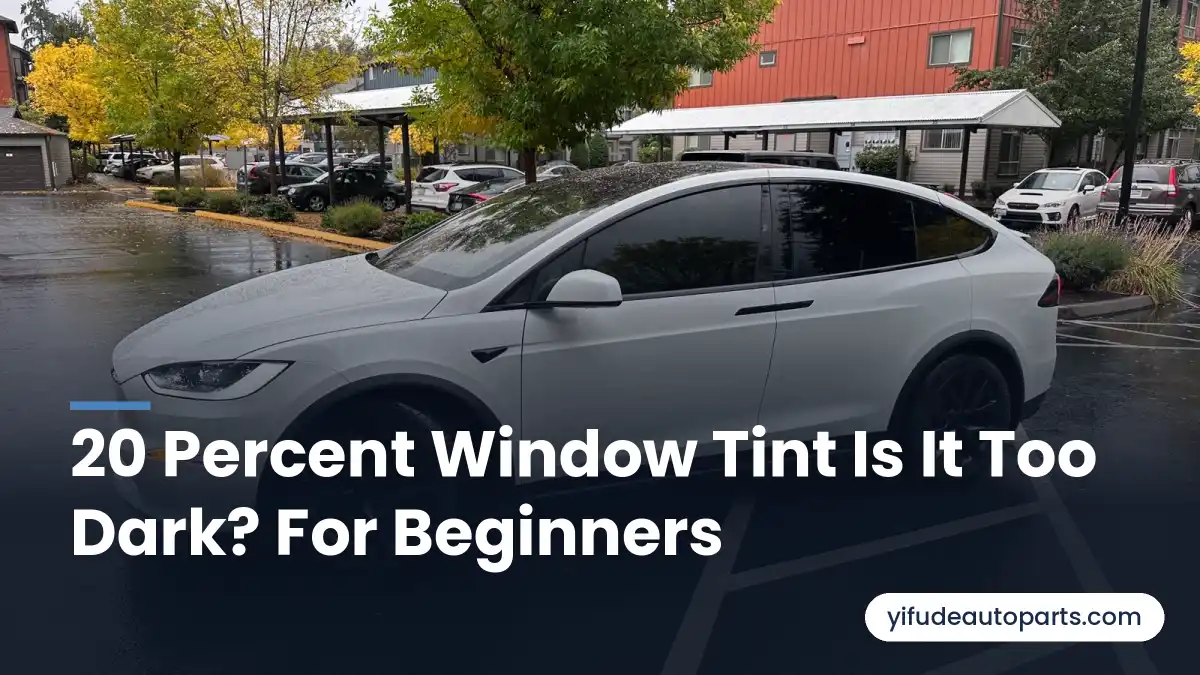
20 Percent Window Tint: Is It Too Dark? depends on where you drive. A dark tint blocks most light. It can feel cozy in bright sun. But it may cause issues in other settings. Your eyes need light to see well. A 20% tint cuts the glow by 80%. That shift changes how you spot details.
Shadows hide curbs, bikes, and pedestrians. You lose depth cues fast at dusk. Rain adds another layer of trouble. Wet roads glare under headlights. A dark film deepens that haze. Your eye scans less of the scene. You may miss a stop sign until late. Always follow official safety and maintenance guidelines for best results.
Tunnels and gas stations pose big risks. The sudden drop in light is harsh. Your pupils need time to adjust. A 20% tint slows that shift. You drive blind for a few seconds. That gap can spark a close call.
Applying these proven insights on 20 Percent Window Tint: Is It Too Dark? helps you avoid costly mistakes. Urban streets test your tint the most. Tall buildings throw sharp shadows. A dark film makes those shadows deeper. You lose contrast on gray days. Pedestrians in dark coats fade out. Spotting them takes more focus.
State-By-State Legal Breakdown for 20 Percent Window Tint: Is It Too Dark? And Where You Stand
20 Percent Window Tint: Is It Too Dark? has a clear answer in some states. In others, it sits in a gray zone. The law sets a hard VLT limit for each window. VLT stands for Visible Light Transmission. It tells you how much light passes through your glass.
Some states let you tint all windows down to 20%. Others cap front doors at 50% or higher. You must check your state’s exact code. A tint that is legal in Arizona may fail in New York. The rules shift fast and vary a lot.
When weighing 20 Percent Window Tint: Is It Too Dark?, pay close attention to build materials and daily ease. Your tint shop should know your state law. A pro shop keeps a current chart on file. They measure your film with a legal tint meter. That tool reads the real VLT of your glass. It catches problems before you hit the road.
You can also call your local DMV. Ask for the window tint statute number. Write it down and save it in your glove box. If you get stopped, that number helps you show proof fast. Ignorance of the law is not a valid excuse.
- VLT Limit: Each state sets a max tint darkness for each window. Your 20% film may pass in one state but fail in another. Always check the exact number for your state.
- Front Door Rule: Most states ban dark tint on front side windows. A 20% tint on the driver door fails in many places. Rear windows often have looser limits.
- Windshield Strip: Nearly all states ban tint on the windshield. A small strip at the top is the only exception. That strip is usually 4 to 6 inches wide.
- Reflectivity Cap: States also limit how much light a tint reflects. A mirror-like finish can blind other drivers. It may fail the VLT test even if the darkness is legal.
- Medical Waiver: Some states grant a waiver for dark tint. You need a doctor’s note on file. The waiver covers specific windows and darkness levels only.
Front-Side Versus Rear Window Rules That Decide If 20% Tint Gets You Stopped
The side of your car matters a lot. Front-side windows face the driver. They need the most light. That is why most states ban 20% tint on front doors. Your view of the road and mirrors depends on that light.
Rear windows face away from the driver. They do not block your view of traffic. Many states allow 20% tint on rear doors and the back window. Some states allow it on all windows. The split rule gives you options to stay legal.
A police officer knows these rules well. During a tint stop, they check front doors first. A dark front window is a clear violation. The officer may write a fix-it ticket. You will need to remove or lighten the film.
Some drivers tint all windows to 20%. They hope no one notices. That choice adds real risk. A tint stop can turn into a fine. It can also delay your trip. You may need to pull over and wait for a citation.
- Front Door Limit: Most states cap front-side tint at 50% VLT or higher. A 20% tint on the driver door will fail in most places. You risk a ticket and a fix-it order.
- Rear Window Pass: Many states allow 20% tint on rear windows. This rule applies to both rear doors and the back glass. It gives you a dark look while staying legal.
- Passenger Side: The front passenger window follows the driver rule. A 20% tint on this side also fails in most states. Your passenger’s view of the road is still blocked.
- SUV and Van Split: Some states treat SUVs and vans differently. If the rear is separated from the driver, darker tint may pass. Check your vehicle type in your state code.
- Tint Stop Check: An officer uses a tint meter on the spot. The device reads VLT for each window. If any window fails, you get a citation. The meter does not guess, and it does not give warnings.
The Visibility and Safety Trade-Offs of 20 Percent Window Tint: Is It Too Dark? At Night and in Rain
Driving at night with 20% tint demands sharp eyes. The film cuts light by four-fifths. That makes dark roads harder to see. Street signs fade fast. Pedestrians step out late. You must slow down and stay alert. For complementary picks and expert testing advice, see our guide on How Dark Is a 15% Tint on a Car? For Beginners.
Rain adds another layer of trouble. Water on glass scatters light already dimmed by tint. Headlights blur into harsh glare. Your wipers work hard, but vision stays poor. Stopping distance grows in wet conditions. The tint deepens the shadows on the road.
- Night Driving: Your eyes adjust slower with less light entering the car. A 20% film makes it hard to spot deer or debris on dark roads. You need extra time to react to hazards that appear without warning.
- Rain and Fog: Water droplets on the outside of glass scatter what little light gets through. The tint traps even more scattered photons. This creates a milky haze across the windshield and side windows.
- Pedestrian Safety: People in dark clothing vanish against shadowed streets. Tinted windows cut the contrast needed to spot them early. A driver going 30 mph needs about 75 feet to stop on a dry road.
- Glare from Oncoming Lights: Headlights reflect off the inner surface of tinted glass. The film’s metallic layers bounce light back toward your eyes. This creates a strobe effect that tires your vision fast.
20 Percent Window Tint: Is It Too Dark? for night driving? For many drivers, the answer is yes. You trade style for critical sight lines. The law may allow it, but your eyes pay the price.
How Tint Film Type and Installation Quality Change Whether 20% Is Too Dark for Your Vehicle
Not all tint films behave the same way. Dyed film looks dark but fades fast. It peels and bubbles over time. Ceramic film blocks heat without extra darkening. It stays clear and stable for years. The choice changes how safe 20% tint feels on your car.
Installation skill matters just as much as the film. A cheap job leaves air pockets. Bubbles scatter light and blur your view. Dust trapped under the film creates haze. A pro shop uses clean rooms and sharp tools. They cut precise curves for each window. The result is a smooth, even look that holds up.
- Dyed Film: This budget option uses layered dye to block light. It looks rich at first but fades under UV rays. Over two years, the dark color lightens unevenly. The tint may start to look patchy and worn.
- Ceramic Film: Nano-ceramic particles block heat without adding color. You get a 20% tint that feels lighter inside. It rejects infrared rays that bake your seats. The film stays clear and does not fade.
- Metalized Film: Tiny metal flakes reflect heat and light outward. This gives a mirror shine on the outside. The film adds strength to the glass. But it can interfere with phone and GPS signals inside.
- Installation Quality: A dirty window traps grit under the film. Bubbles form as the adhesive cures unevenly. A skilled tech cleans each pane with razor precision. They apply the film in a dust-free booth. This prevents the haze that ruins view.
20 Percent Window Tint: Is It Too Dark? depends heavily on what you put on your glass. A top ceramic film on a clean install feels safe. A cheap dyed film on a rushed job feels risky. The material and craft make all the difference.
Exemptions, Waivers, and Workarounds When 20 Percent Window Tint: Is It Too Dark? For Your Situation
Some drivers need more tint than the law allows. Medical conditions can make light painful. Photosensitivity or eye injuries demand extra protection. In these cases, a waiver may save you. The process takes effort, but it keeps you safe and legal.
Workarounds exist if you can’t get a full waiver. You can tint only the back windows. This keeps your front side windows clear. The law often treats rear glass differently. You still get privacy and heat relief. You also keep the sight lines you need to drive safely.
- Medical Waiver: Your doctor writes a note explaining your light sensitivity. You submit this to your state DMV or DMV equivalent. They may issue a permit for darker tint. The permit must stay in your vehicle at all times.
- Rear-Only Tinting: Many states allow darker tint on back seats. You can run 20% on rear side and back windows. The front doors stay clear or light. This keeps your view open for traffic and mirrors.
- Tint Strip on Windshield: A thin strip at the top of the glass is often legal. It shades your eyes from direct sun. The rest of the windshield stays clear. This helps with glare without blocking your view of the road.
- Removeable Tint Panels: Some drivers use static-cling tint that peels off. You add it when parked and remove it for driving. This works for off-road or show cars. But it won’t pass a road safety check.
20 Percent Window Tint: Is It Too Dark? for you? Check your state rules first. Then talk to your doctor if light hurts your eyes. A waiver or smart workaround keeps you on the right side of the law. It also keeps your drive safe at night and in bad weather.
Film Types and Legal Status at a Glance
| Film Type | Heat Rejection | Signal Interference | Typical Lifespan | Legal Risk |
|---|---|---|---|---|
| Dyed | Low | None | 2–4 years | Fades and lightens; may fail inspection |
| Metalized | High | High | 5–8 years | Mirror shine draws attention |
| Ceramic | Very High | None | 10+ years | Stays stable; low risk |
| Carbon | High | Low | 6–10 years | Stays dark; check local VLT limits |
Common Questions About 20 Percent Window Tint
Can I Get Pulled Over Just for Having 20% Tint?
Yes, if your state bans it on front windows. Officers use tint meters during stops. A reading below the legal VLT means a citation. You may get a fix-it ticket or a fine. Some states treat it as a primary stop.
Does 20% Tint Make My Car Insurance Go Up?
- Insurers Don’t Rate: Insurers don’t rate tint darkness.
- But a Tint-Related Ticket: But a tint-related ticket can raise your rates.
- Moving Violation Shows: A moving violation shows up on your record.
- That Can Trigger: That can trigger a premium hike later.
- Keep Your Tint: Keep your tint legal to avoid this.
Can I Tint My Own Windows to 20%?
You can, but the results vary. DIY kits are cheap and come with instructions. Air bubbles and dust are common problems. The edges often peel within a year. A pro install costs more but lasts longer and looks better.
Is 20% Tint Worth It for Heat Reduction?
Yes, if you use ceramic or carbon film. These materials block a lot of infrared heat. Your car stays cooler in direct sun. You also cut glare and protect your interior from UV fading. The comfort gain is real and immediate.
What Vlt Is Legal for Front Side Windows?
It depends on your state. Some allow 50% or 35% on front doors. A few states ban any tint there. You must check your local DMV rules. Tint laws change, so check before you buy.
Final Thoughts and Next Steps
20 Percent Window Tint: Is It Too Dark? The honest answer is: it depends. Your state laws set the hard limits. Your driving habits set the safety bar. Night drivers need more light than tinted glass gives. Rain and fog make a dark tint even harder to see through. Weigh the style against the real risk to your eyes and your passengers.
Start by checking your state’s VLT rules. Talk to a reputable tint shop about ceramic or carbon options. Ask to see a test sample on your own car. If you need a medical waiver, get your doctor’s note ready. The right tint adds comfort and privacy. The wrong tint puts you at risk after dark. Make your choice with clear eyes and the facts in hand.